

Unlocking Ankle Cartilage Repair: Natural Recovery, Professional Insights, and Patient Support in the UK
Introduction
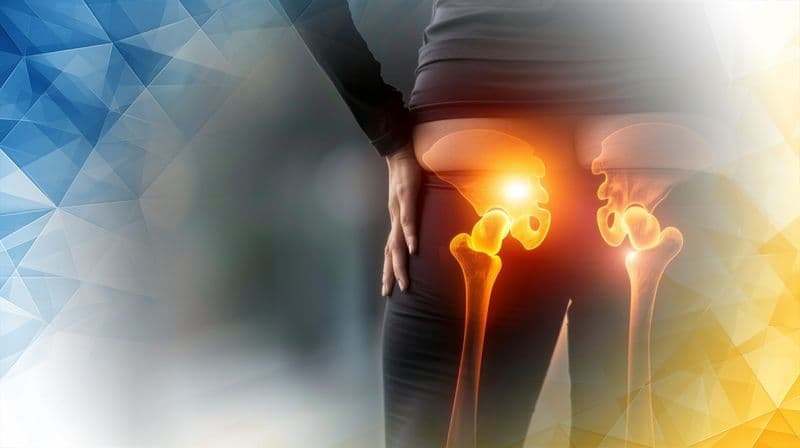
Ankle cartilage damage is a common issue that can affect people of all ages, especially those involved in sports or physically demanding work. This kind of injury can cause pain, swelling, and reduced movement, impacting everyday life. With more people interested in non-surgical, natural treatment options, it’s important to combine these approaches with expert advice to get the best chance of recovery.
Understanding Ankle Cartilage Damage: Symptoms, Diagnosis, and Causes
Cartilage in the ankle is a smooth, flexible tissue that cushions the bones and helps the joint move without pain. It plays a crucial role by absorbing shocks when you walk, run, or jump. When damaged, symptoms can include swelling, pain when putting weight on the ankle, stiffness, or odd sensations like catching or grinding.
Diagnosing these injuries starts with a thorough examination and is often supported by imaging, particularly MRI scans, which provide detailed pictures of the cartilage and surrounding tissue. As one study explains, “magnetic resonance (MR) imaging and arthroscopy provide complementary information and are especially useful for follow-up evaluation of cartilage repair in the knee and ankle” (Choi, Potter, & Chun, 2008). Cartilage damage often arises from sprains, fractures, repetitive strain, or wear and tear due to ageing or conditions like osteoarthritis.
Free non-medical discussion
Not sure what to do next?
Information only · No medical advice or diagnosis.
Natural Cartilage Repair: Current Approaches and Emerging Evidence
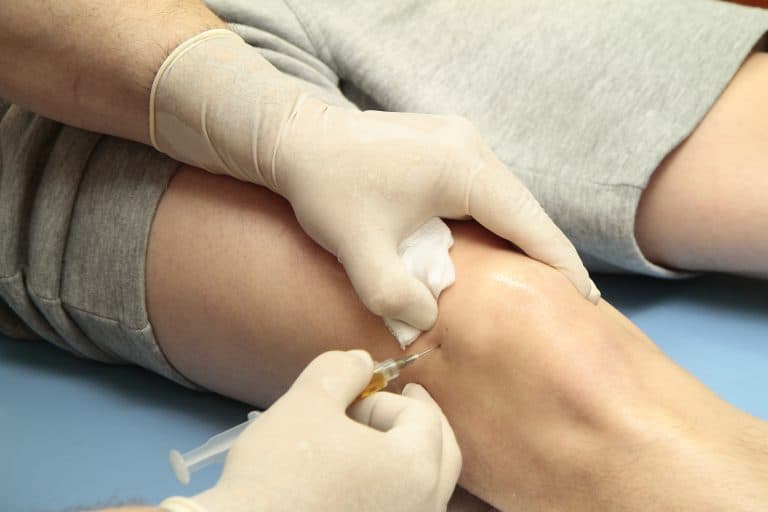
There are several non-surgical ways to support your ankle’s natural healing process and ease symptoms. Lifestyle changes, such as avoiding high-impact activities for a while, help prevent further damage. Tailored exercise programmes created by physiotherapists can strengthen muscles around the joint and maintain flexibility.
Nutrition also plays a role, with supplements like collagen and glucosamine gaining attention for their potential to support cartilage health and reduce inflammation. While the research is still developing, some people find these supplements helpful when used appropriately. Physical therapy is often crucial, restoring strength and balance to improve overall ankle function. Because everyone’s body reacts differently, treatments should be personalised and guided by healthcare professionals.

Expert Clinical Care: The Role of Professor Paul Lee and London Cartilage Clinic
Professor Paul Lee is a recognised expert in cartilage injury management in the UK. As a Cartilage Specialist, Regional Surgical Ambassador, and Advisor to the Royal College of Surgeons of Edinburgh, he brings extensive experience in orthopaedics and rehabilitation. He works closely with patients to help them make informed choices about their care.
At the London Cartilage Clinic, patients receive evidence-based treatments in a supportive, multidisciplinary environment. The clinic offers detailed assessments and ongoing help throughout recovery. As medical literature notes, “lesions that are caused by trauma or degeneration of the cartilage do not heal spontaneously and must be repaired surgically” in some cases (Choi, Potter, & Chun, 2008), highlighting when professional intervention is key. Although the clinic provides tailored care plans, it is clear that every person’s recovery is different, and no one can guarantee specific outcomes.
Considerations for Recovery: Setting Expectations and Professional Advice
Recovery from ankle cartilage damage can take time, and progress depends on factors like your age, the injury’s severity, and overall health. Whether healing naturally or through treatment, patience and regular check-ups are important so healthcare professionals can monitor improvements and adjust plans as needed.
Imaging plays a vital role here, as “standard MR imaging techniques may be used postoperatively to evaluate the success of implantation and the state of cartilage healing” (Choi, Potter, & Chun, 2008). This helps both patient and clinician understand how the repair is progressing. It’s important for patients to have realistic expectations and seek advice from qualified professionals before starting any new treatment, exercise, or supplements.
Conclusion and Disclaimer
Ankle cartilage injuries can challenge your mobility and day-to-day comfort but can be managed successfully with a mix of natural recovery methods and expert care. Combining adjustments to your lifestyle, guided exercises, nutritional support, and professional treatments—like those offered by Professor Paul Lee and the London Cartilage Clinic—gives you the best chance for a good outcome. Remember, each recovery journey is unique, and complete repair cannot be guaranteed. For advice tailored to your situation, always consult a qualified healthcare professional.
- Choi, Y. S., Potter, H. G., & Chun, T. J. (2008). MR imaging of cartilage repair in the knee and ankle. Radiographics, 28(4), 1043-1059. https://doi.org/10.1148/rg.284075111
Frequently Asked Questions
- Common symptoms include pain, swelling, stiffness, and a catching sensation in the ankle. If these symptoms persist or interfere with daily life, a professional assessment at London Cartilage Clinic can provide clarity and tailored advice from specialists like Professor Paul Lee.
- Diagnosis begins with a thorough clinical evaluation and is supported by advanced imaging such as MRI scans. London Cartilage Clinic’s comprehensive approach, led by Professor Paul Lee, ensures precise assessment and informed recommendations using state-of-the-art diagnostic tools.
- The clinic offers a range of non-surgical approaches, including personalised exercise programmes, physiotherapy, and nutritional advice. Professor Paul Lee’s expertise means treatments are evidence-based, focusing on optimising natural recovery and minimising discomfort, always guided by individual patient needs.
- Professor Paul Lee is a Cartilage Expert, Regional Surgical Ambassador, and Royal College of Surgeons of Edinburgh Advisor. His extensive experience in cartilage repair, combined with the multidisciplinary support at London Cartilage Clinic, ensure patients receive advanced, compassionate care tailored to their specific requirements.
- Recovery is highly individual, influenced by factors like injury severity and general health. London Cartilage Clinic, under Professor Paul Lee’s guidance, provides ongoing support, regular check-ups, and expert monitoring to ensure progress and adapt care plans for the best possible outcomes.
Legal & Medical Disclaimer
This article is written by an independent contributor and reflects their own views and experience, not necessarily those of London Cartilage Clinic. It is provided for general information and education only and does not constitute medical advice, diagnosis, or treatment.
Always seek personalised advice from a qualified healthcare professional before making decisions about your health. London Cartilage Clinic accepts no responsibility for errors, omissions, third-party content, or any loss, damage, or injury arising from reliance on this material.
If you believe this article contains inaccurate or infringing content, please contact us at [email protected].
London Cartilage Clinic
Ready to explore your options?
Our consultant-led team specialises in cartilage repair, regeneration and replacement — tailored to your diagnosis and long-term goals.
Will the Arthrosamid work for me
PAAG-8+ Questionnaire
A bright, structured entry point for patients exploring Arthrosamid. The questionnaire helps frame suitability, expectations, and 24-month clinical benefit discussion before a fuller consultant-led review.
Designed for shared decision-making. It does not replace specialist consultation, examination, imaging review, or formal medical advice.